

My blog is part journal, part soul-searching conversation—an honest, heartfelt space where I write through life’s twists and turns. From facing breast cancer and career pivots to embracing the emotional chaos that makes us human, I share real stories about resilience, identity, and growth. Each post is a blend of personal reflection and hard-earned insight, written for those navigating the messy middle of life with heart, humor, and hope.
Whether you’re in the middle of a major life shift, craving emotional connection, or simply looking for meaningful inspiration, you’re welcome here. Writing is therapy for me, and my hope is that reading it offers something healing for you, too.
I’m always open to topic suggestions—because the best conversations are two-way. 💬
Let’s connect, grow, and keep finding meaning in the mess.
Table of Contents
• Beyond Strength: What It Really Means When a Woman Bends but Doesn’t Break• The business of breast cancer, and a few things I wish I’d known.
•Choosing vulnerability in a not-so-kind world
• Friendships: For a season or a lifetime, they all leave something good• From Rehab to Real Life: The Prayer That Stayed With Me
• Two years after cancer: A mammogram, a memory, and a lesson in compassion
• Taming the 100mph Mind: Finding Focus in a World of Mental Chaos
• Sisterhood: Why we need more of it
• My Ex, Vodka, and Heels: The Strange Echoes of My Dream Life
• Grief, Strength, and the Unstoppable Spirit of Women• When-Anxiety-Strikes:-Turning-Fear-into-Strength• How I Learned That No Is a Complete Sentence• Rushing Less, Living More: My Path to Patience Through Cancer and Pottery• From Corporate Creative to Just Creative: How Layoffs and Cancer Redirected My Life’s Purpose• Breast Cancer: My Journey, My Wake-Up Call• The Art of Juggling: Balancing Creativity and Business as a Solo Artist• Self-Promotion in the dopamine culture
The business of breast cancer, and a few things I wish I’d known.
Well, it's October. The month when pink shirts, ribbons, and personal stories from the rich and famous get shoved in our faces from just about every direction. A natural trigger for some survivors. Others embrace it. And for me, it’s just a constant reminder that I can’t seem to escape from. Therefore, I shall write about it.
First a PSA: Pinkwashing has become big business. So, if you choose to buy pink clothes or ribbons this month, please check where your money is going and whether a meaningful portion of the profits are actually being donated to breast cancer research or support services. Billions of dollars are being pocketed all in the name of breast cancer awareness and more research and funding is needed. Every dollar counts. <end PSA>
By now, we’ve heard the reminders about mammograms, monthly breast checks, and that early detection matters. If you’re not aware, well, kindly pull your head out of the sand and please take care of your health.
So I'm not going to preach about any of that. Instead, I'd rather talk about some of the other things I've learned along the way, some things I wish I'd known going in, vent a little, and share a few thoughts from my own experience that might help someone else who’s navigating this life-changing disease.
So here goes. These are in no particular order, really.
You have breast cancer. Now what?
Hearing the words you have cancer is a whole different experience when it's you. You can understand what cancer is. You can know it happens to millions of people (1 in 8 women get breast cancer). You can read about it, know people who have it, hear their stories, and think you have a reasonable understanding of the disease. And then it happens to you…
It took me a while to process what was happening. In fact, I went to a hair appointment a few hours after receiving my news. My hair stylist was one of the first to learn I had breast cancer, as I casually informed her about my phone call that morning.
Also, I lived alone and didn't want to share the news with too many people until I had a better grasp of it myself. But I quickly became confused, in denial, angry, terrified, and grieving the person I'd been before the news, because I knew I'd never be that person again, and I had no idea what lay ahead.
I was sooo naive!
For the most part, I've lived a very healthy life. Aside from a couple of somewhat self-inflicted issues, I've enjoyed pretty good health. No significant surgeries, no hospital stays, a killer immune system, healthy parents both in their 80s, and grandparents who lived long— up to 102yrs. With no children and a healthy family, my time has been spent in veterinary hospitals. Not people hospitals.
That said, I really expected my first cancer appointment to take place in a surgeon's or oncologist's plush office with walnut furniture and leather chairs. And where some kind person would hand me a nicely organized folder containing my entire care plan. Like you see in the movies and on TV.
Yeah, no. It was a small examining room with an old computer, a broken portable ultrasound machine, and I got to wear the green robe making sure it “opens in the front”. ‘Cuz we’ve got to look at ‘em if we’re talking about ‘em.
That rude awakening was the beginning of my let us look at your boobs journey. Seriously, the number of people who looked at, touched, measured, and photographed my breasts was astonishing. At this point, I'm a pro. You want to look at my boobs? … Sure, I’ll take off my shirt. … I don’t need a robe. Post-cancer Wendy couldn't care less. Not sure that's an asset to have.
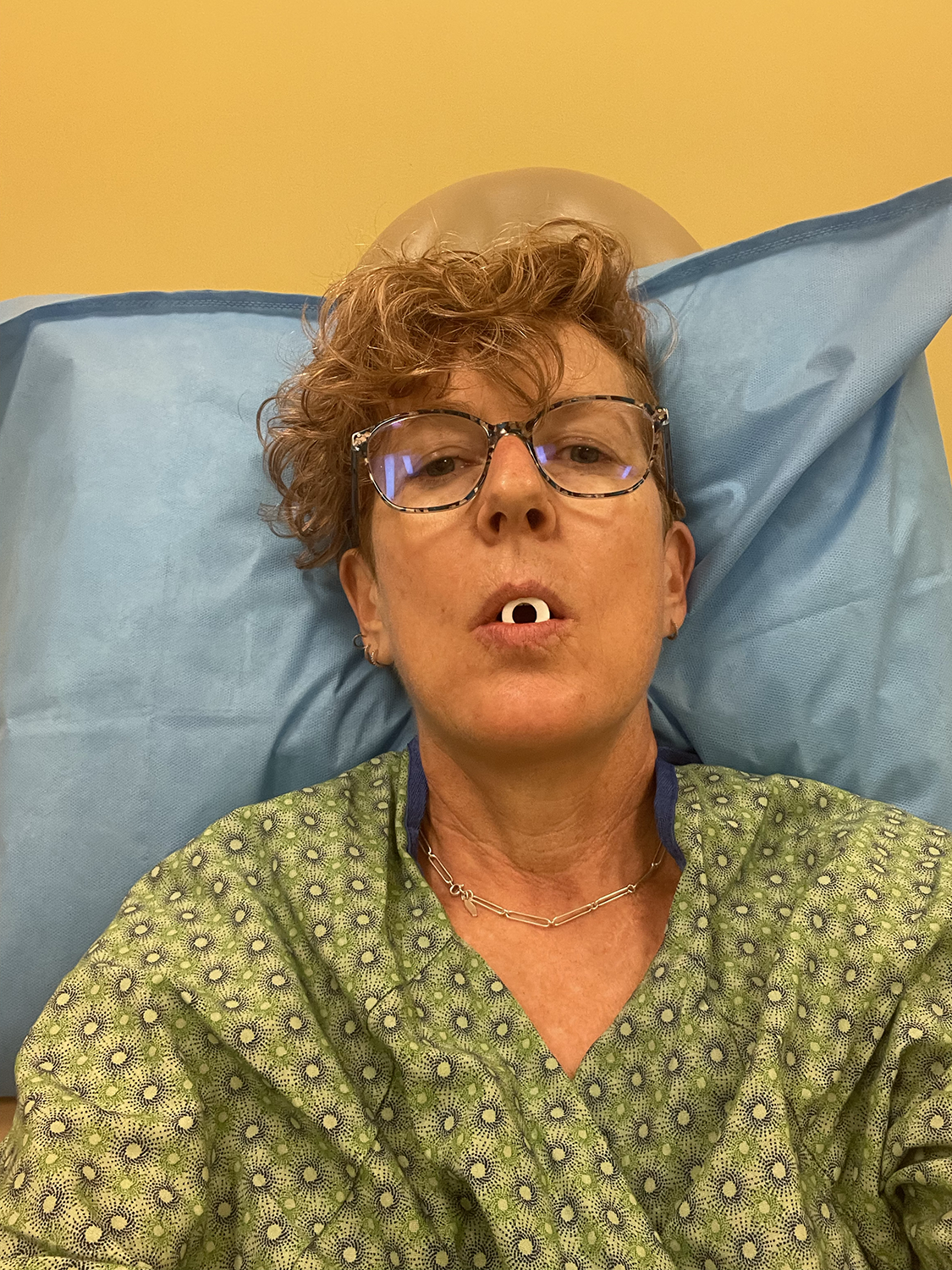
Humor aside, there's something surreal about suddenly becoming the person with their very own care team. People talking about scans, pathology reports, treatment plans, and survival rates. Meanwhile, you're trying to wrap your head around the fact that you have cancer.
It's scary. Terrifying, actually. And your brain can take you to places you should never have to visit. You need to grieve and feel the feels, but also find ways to get through those moments without living in that place all the time.
Everything moves so fast and yet so slow. Your calendar is suddenly packed with appointments, scans, biopsies, consultations, and the like. But the results take forever. Not knowing can eat at you like the little maggot that cancer is.
That's when I turned to my clay as my therapist to keep my mind and hands busy. And when that was even too much, I'd go for a walk. Or I'd pick up Stella the cat and walk laps around my house with her draped in my arms. I suppose that's called pacing, but you do what you gotta do.
But once you know your care plan, you’ll breath a little easier.
Advocacy: Your doctors are human, and healthcare is a business.
I wish I'd understood earlier that my medical team and I might not always see things the same way.
I went into this trusting that my doctors would clearly lay out all my options, explain the pros and cons, discuss my risk factors with this specific cancer type, and help me make the best decisions for my health both now and 20 years from now.
What I've learned is that you can't always assume you're getting the whole picture. Sometimes information isn't explained as clearly as it should be. Sometimes the focus is on the immediate medical solution while the longer-term effects on your life don't get nearly enough attention.
And sometimes you need to ask more questions than you ever imagined you'd have to ask.
In my case, I had Kaiser Permanente, an integrated healthcare system where the insurance plan and medical providers operate within the same organization. That arrangement has advantages, including coordinated care, but it also means costs have to be managed alongside treatment.
I wish I'd understood earlier how important it was to speak up for myself and ask questions or seek clarity when something didn't sit right.
I'm not suggesting my doctors didn't care about me. But I do think there's a difference between receiving appropriate medical treatment and feeling fully informed, heard, and supported as a person.
I’m on my second oncologist now and I feel much more comfortable. Reminder: It's also ok to change doctors when things don’t feel right.
Looking back, I wish I'd been more comfortable questioning things, and pushing for things like, not just a good treatment plan but the best treatment plan.
You shouldn't have to be your own medical detective while dealing with cancer but learning to advocate for yourself can make a huge difference.
Timing and recovery: This isn't necessarily a little bump in the road.
My diagnosis was in March of 2023. Invasive lobular carcinoma (ILC), stage 1A, ER/PR-positive, HER2-negative, no lymph node involvement. I had two small tumors in my right breast. One was near my chest wall, and the other was in the same general area, but a lot closer to the surface.
On paper, it was early-stage breast cancer. And while I'm grateful it was caught early, I wish someone had explained that early-stage doesn't necessarily mean an easier treatment plan or a shorter recovery.
I wish I'd known that this so-called little bump in the road could turn into years of dealing with the physical and emotional fallout.
I was made to believe that I’d be “back to normal” in less than a year. That’s funny…
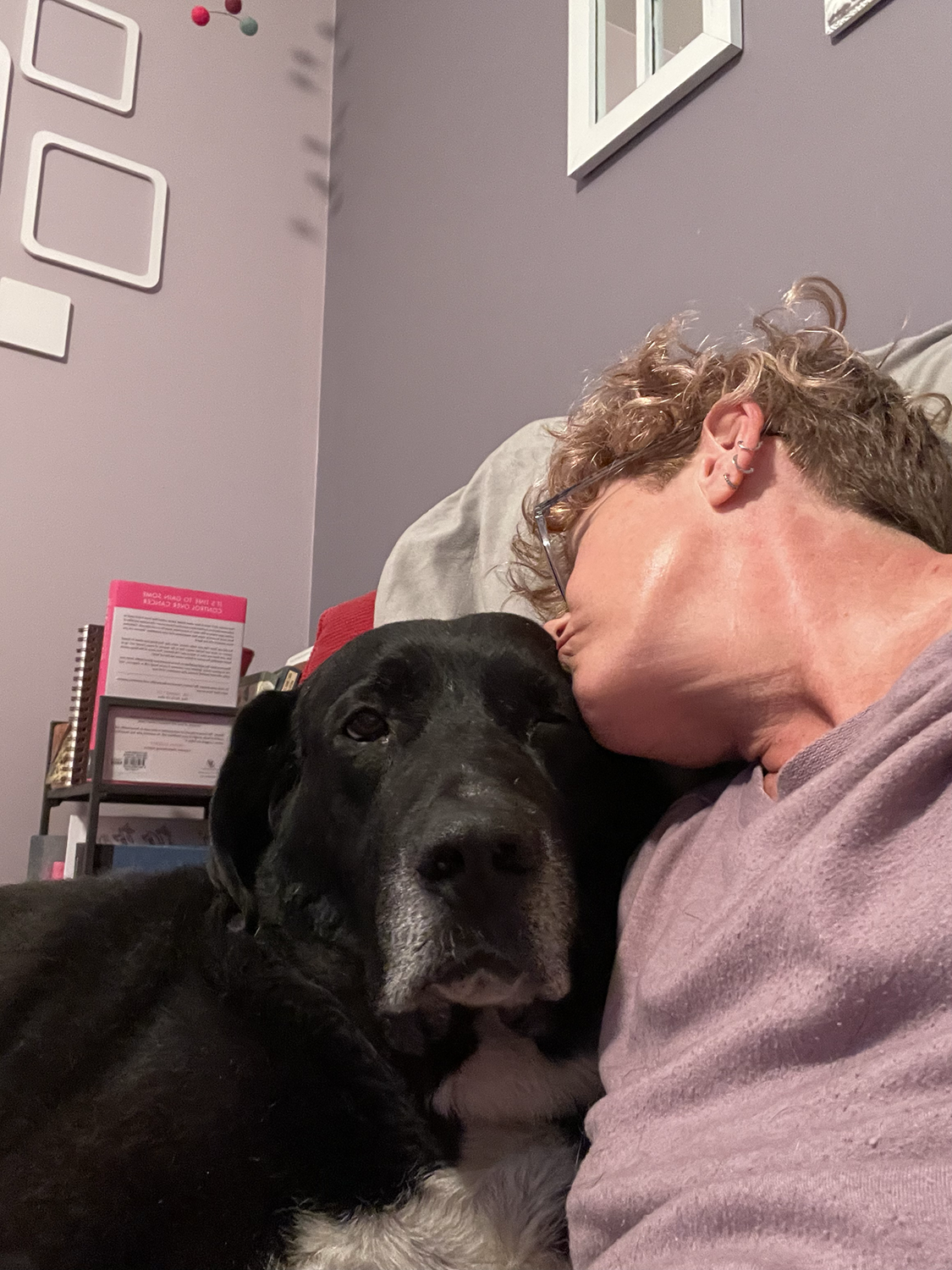
Clyde and Stella instinctively became my support animals and were THE BEST at-home care team.
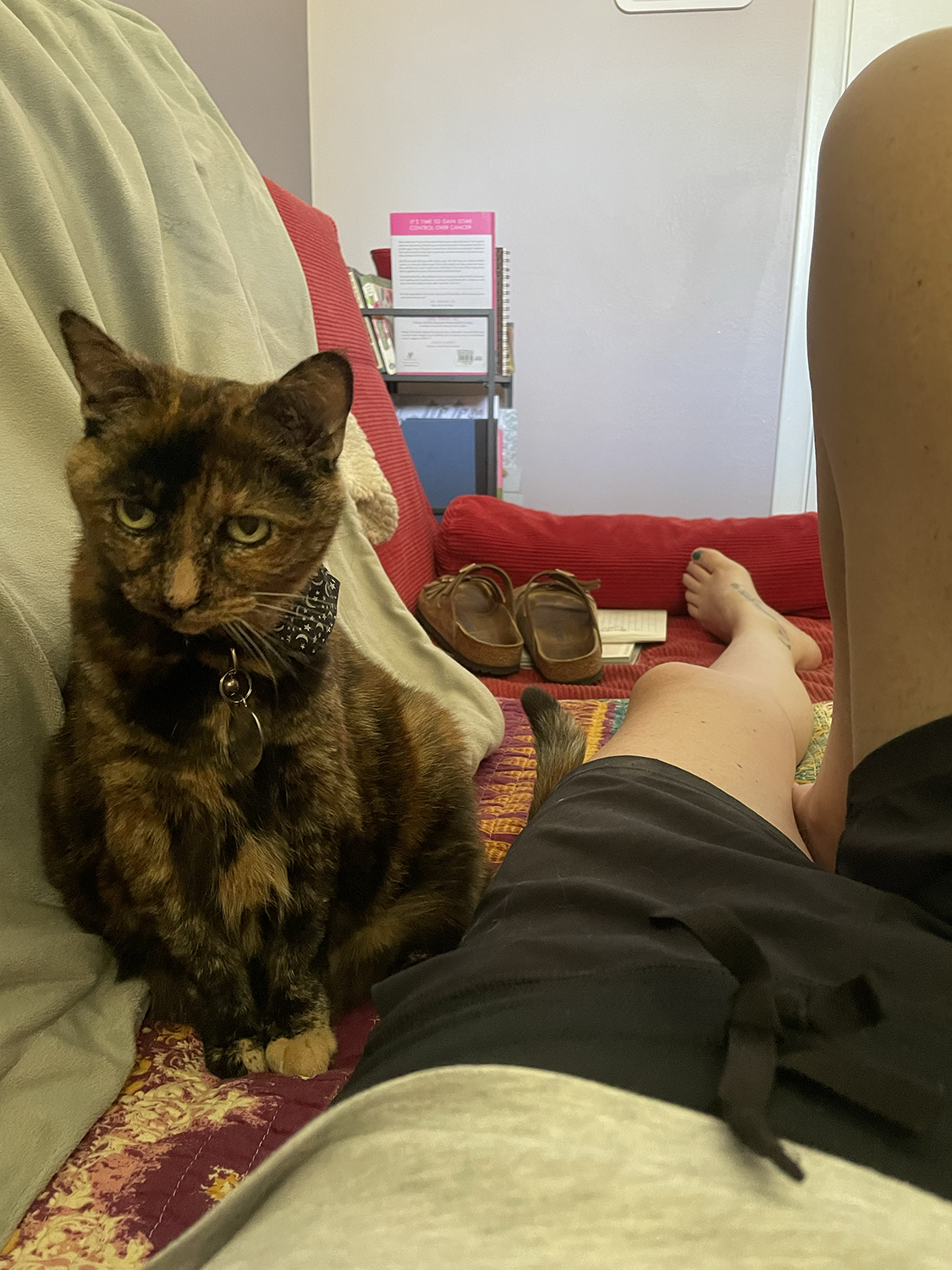
I ultimately ended with three surgeries, 15 rounds of radiation, and an open surgical wound that took several months to heal. Getting through that healing stretch took more courage than I knew I had.
Next came hormone therapy.
Aromatase Inhibitors (AIs): Typically prescribed to menopausal/post menopausal women with ER/PR+ cancer. These reduce the body’s estrogen by 95%, thereby starving the cancer cells, which rely on estrogen to grow.
With side effects that have affected my joints, bones, energy, and sleep, I've tried three different types of AI’s, all resulting in debilitating side effects. *
Everyone responds differently, of course. Some women have minor issues and some experience no side effects at all. But these medications have not been kind to my mind and body. Perhaps it's my redhead genes. Who knows.
Either way, hormone therapy deserves more attention. This treatment can go on for five to ten years, depending on your treatment plan. And is often described and downplayed as “just a little pill” that can cause menopause-like symptoms.
These medications can reduce the risk of recurrence. But in reality, they wreak havoc on your bone density, and come with a litany of side effects that can make everyday life very difficult.
In fact, studies have shown that 18-30% of women stop their therapy early due to quality of life issues. And up to 50% either don’t even start or change their dosage from what’s recommended.* I myself am only taking “the little pill” 3 days per week vs the recommended 7 days/week.
Many regimens use standard doses, and I can't help but wonder how much more we could learn by better understanding why some women tolerate treatment well while others struggle so much.
Why don't we talk more about individual differences, treatment options, and quality of life? Reducing the risk of cancer returning matters. So does being able to live your life while you're doing it.
So, when will it really end? I thought I was supposed to be done. There's a strange contradiction in taking medication to protect your future health while feeling like it's making your present life harder.
I wish I had been better educated (or educated at all) on the 5-10 year battle that may lie ahead for those of us who require a continued hormone therapy treatment plan. I know the severity of their side effects cannot be predicted, but going in blind then realizing the reality of it all was pretty harsh.
By the time active treatment ends (surgery, chemo, radiation), friends and family may assume we're on the road to recovery. And understandably so. Life moves on, and everyone settles back into their routines. But for many of us, it's just the beginning.
From the outside, we might look fine. We can work, make art, take care of ourselves, and show up for things. But dang, it can be frustrating when the tank hits empty before it's even dark, or when your bones ache as if you’re 80. Or when you have two closets full of amazing shoes and all you can wear are Crocs, Hoka’s, and Dr Scholl’s…
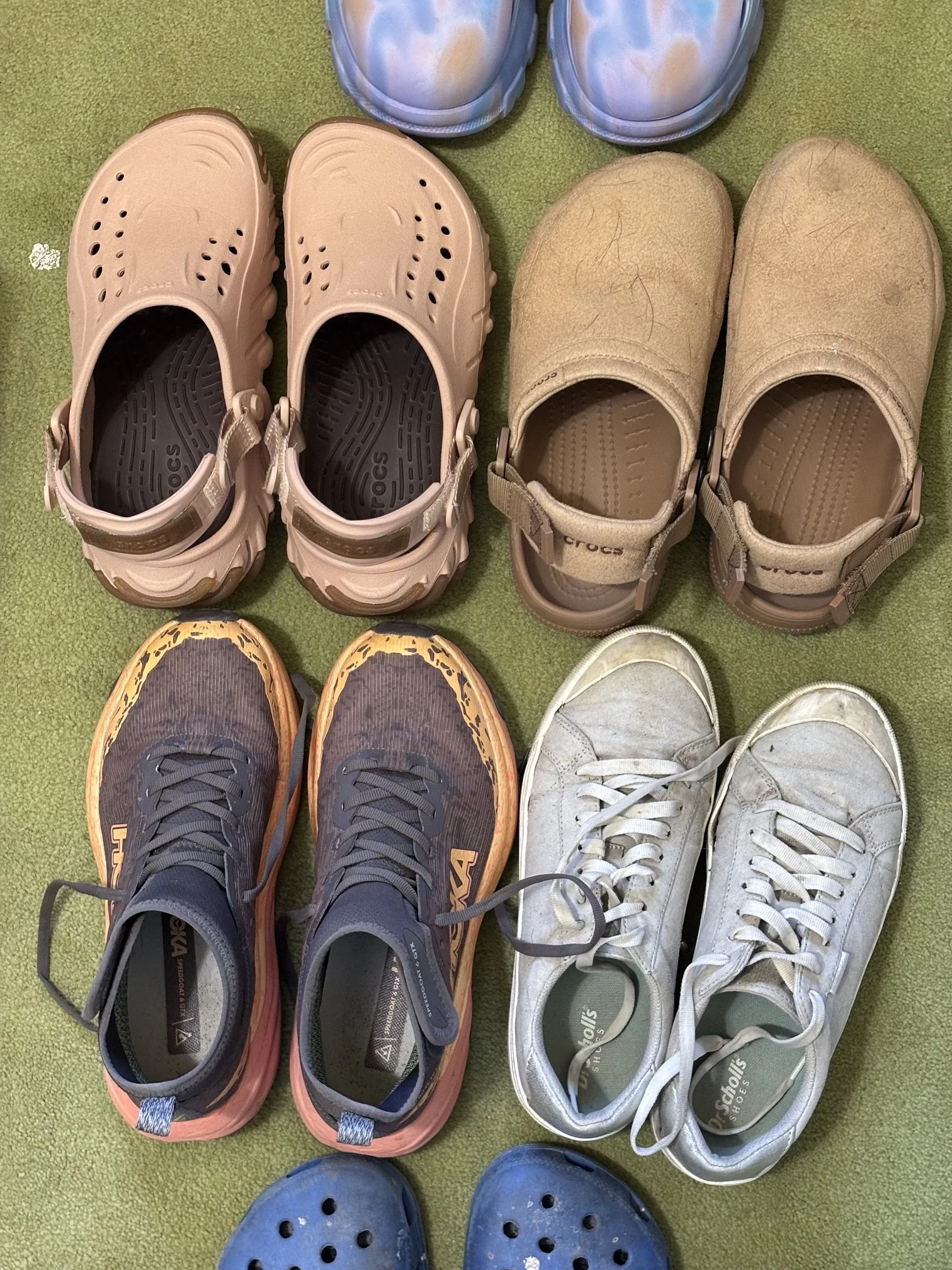
I've had to learn to give myself grace, listen to my body, and remember that it’s not forever.
Mental recovery: You can't always go back to the person you were before.
Nobody really prepared me for how much cancer would mess with my head. I'm not just talking about the initial diagnosis or getting through treatments. I'm talking about the long, slow process of trying to feel like yourself again when you're not even sure what that looks like anymore.
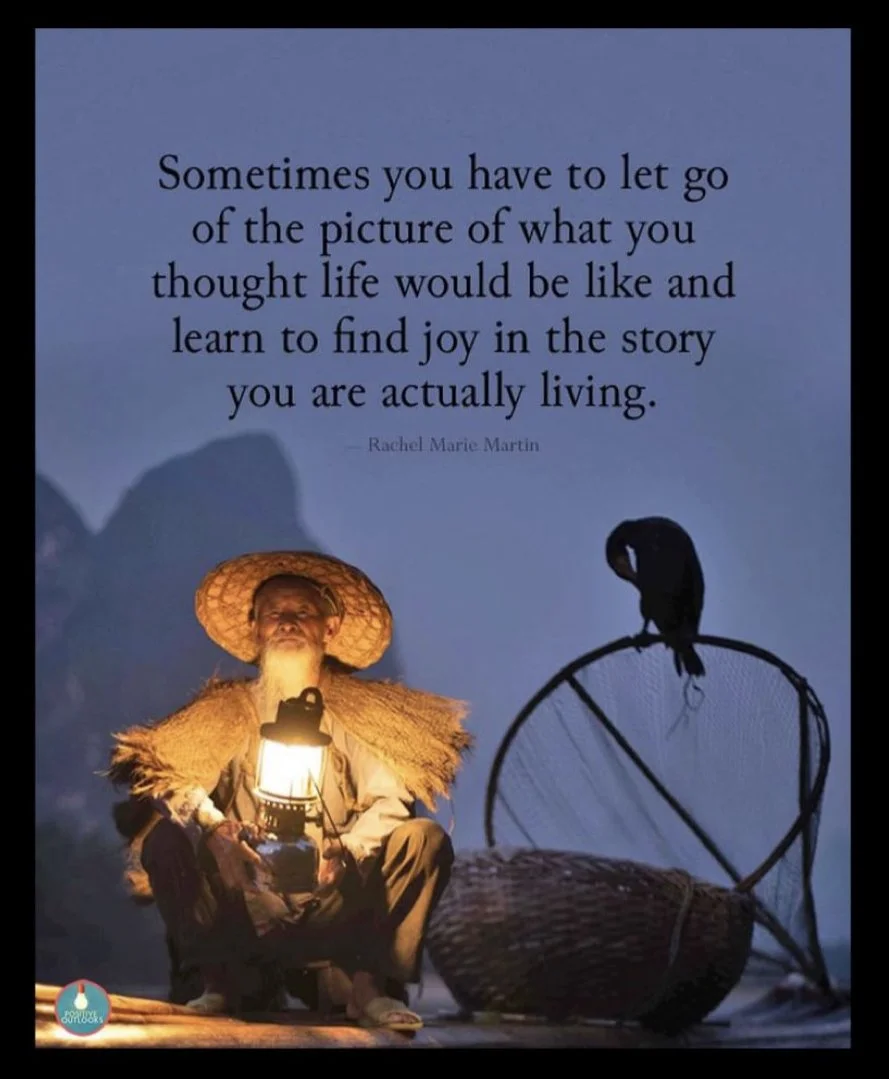
When you stare your own mortality in the face, things just change. I don't think about what life might look like or what I'll be doing when I'm 80 with quite the same confidence I once had. And wow, have my priorities shifted.
Cancer has a way of making you appreciate the little things and finding gratitude in every day. Even the crappy days. And sometimes, those quiet little moments of peace find their way to you when you least expect them, reminding you that you're not alone. The road ahead may look different than we imagined, but that doesn't mean there aren't good things still ahead.
I hope sharing some of this is helpful to someone. It’s been a bit cathartic to get it out of my head and onto the page. If you’re in the thick of it right now, know that you’re not alone. There are support groups, including plenty on Facebook, both nationwide and specific to your state, along with other resources to help you navigate the road ahead. You don’t have to figure it all out on your own.
And if you know someone who’s going through treatment or finding their way through recovery, send them a quick message. You don’t need to have the right words or fix anything. Just letting someone know they’re on your mind can mean more than you realize.
*https://pmc.ncbi.nlm.nih.gov/articles/PMC7925421/
*https://my.clevelandclinic.org/health/treatments/24685-aromatase-inhibitors